Mobile canine cardio gym for fitter, balanced dogs.
Mobile cardio workouts built around your dog's energy and your schedule. Treadmill and slatmill sessions that build strength, stamina, and focus for dogs across Colorado Springs, rain or shine.
ABOUT US
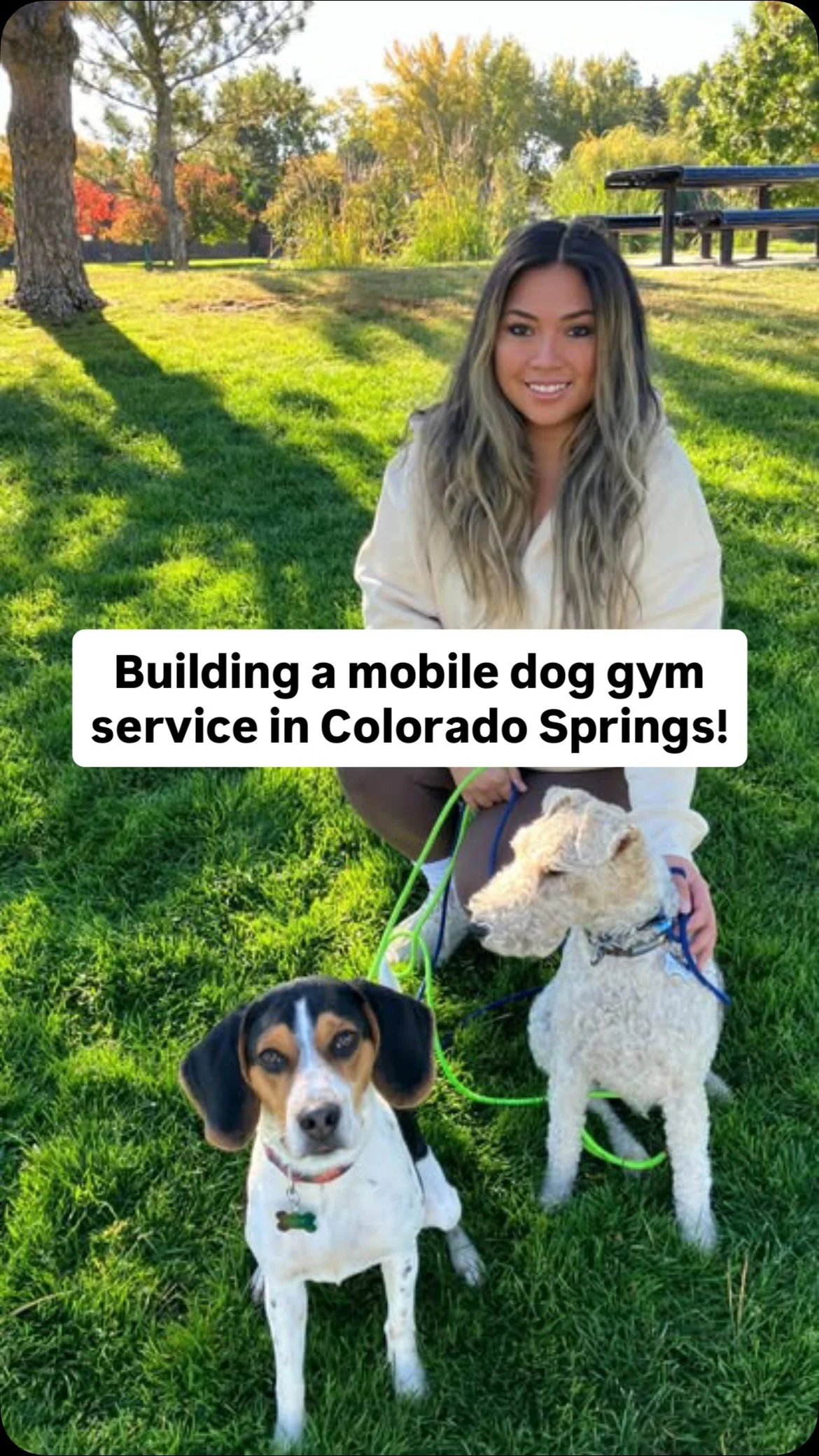
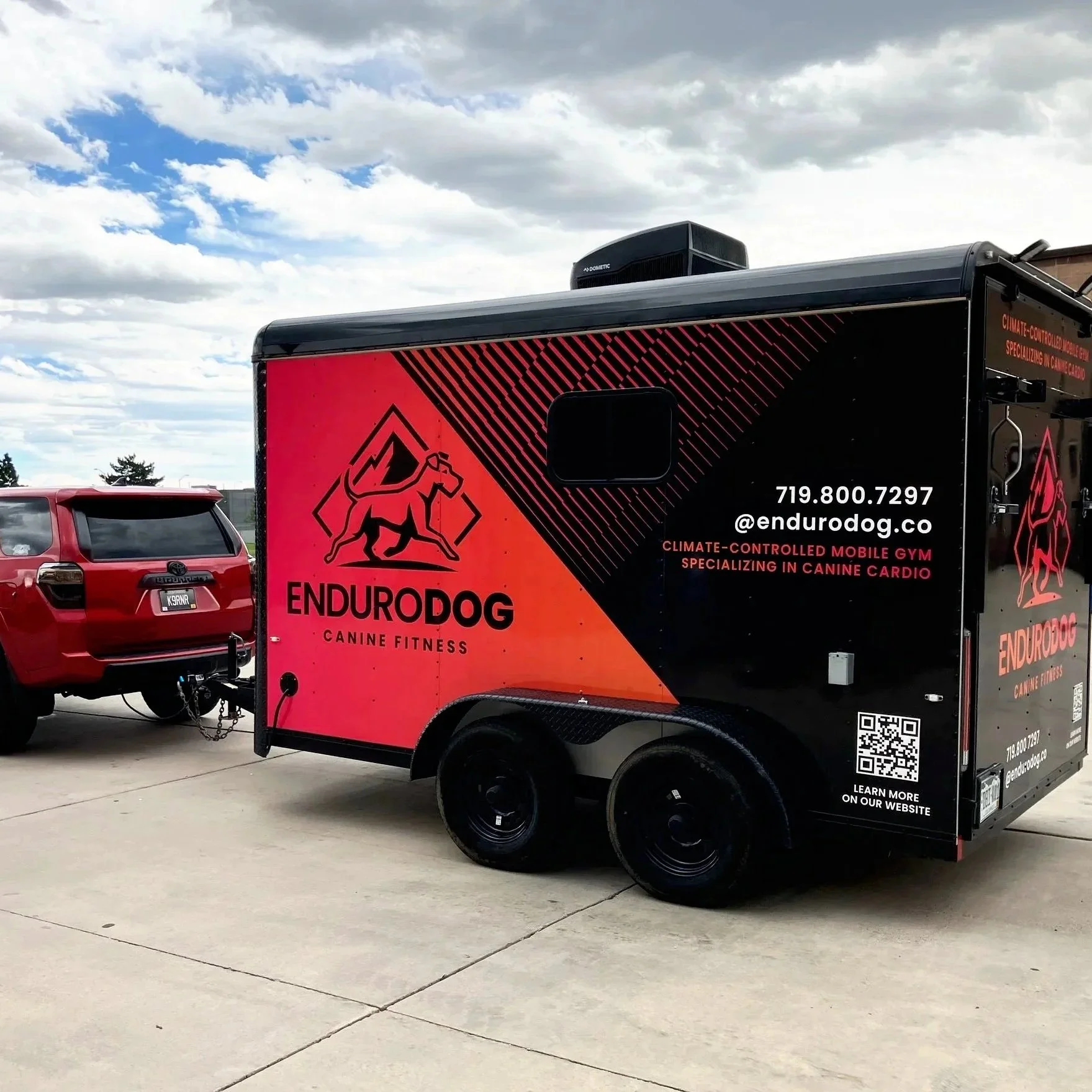
EnduroDog is a PACFA-licensed mobile dog gym serving Colorado Springs and surrounding areas. We help high-drive dogs, from canine athletes to active family pets, channel their energy into structured, focused exercise, while giving their owners back the time and calm that comes with a well-conditioned dog.
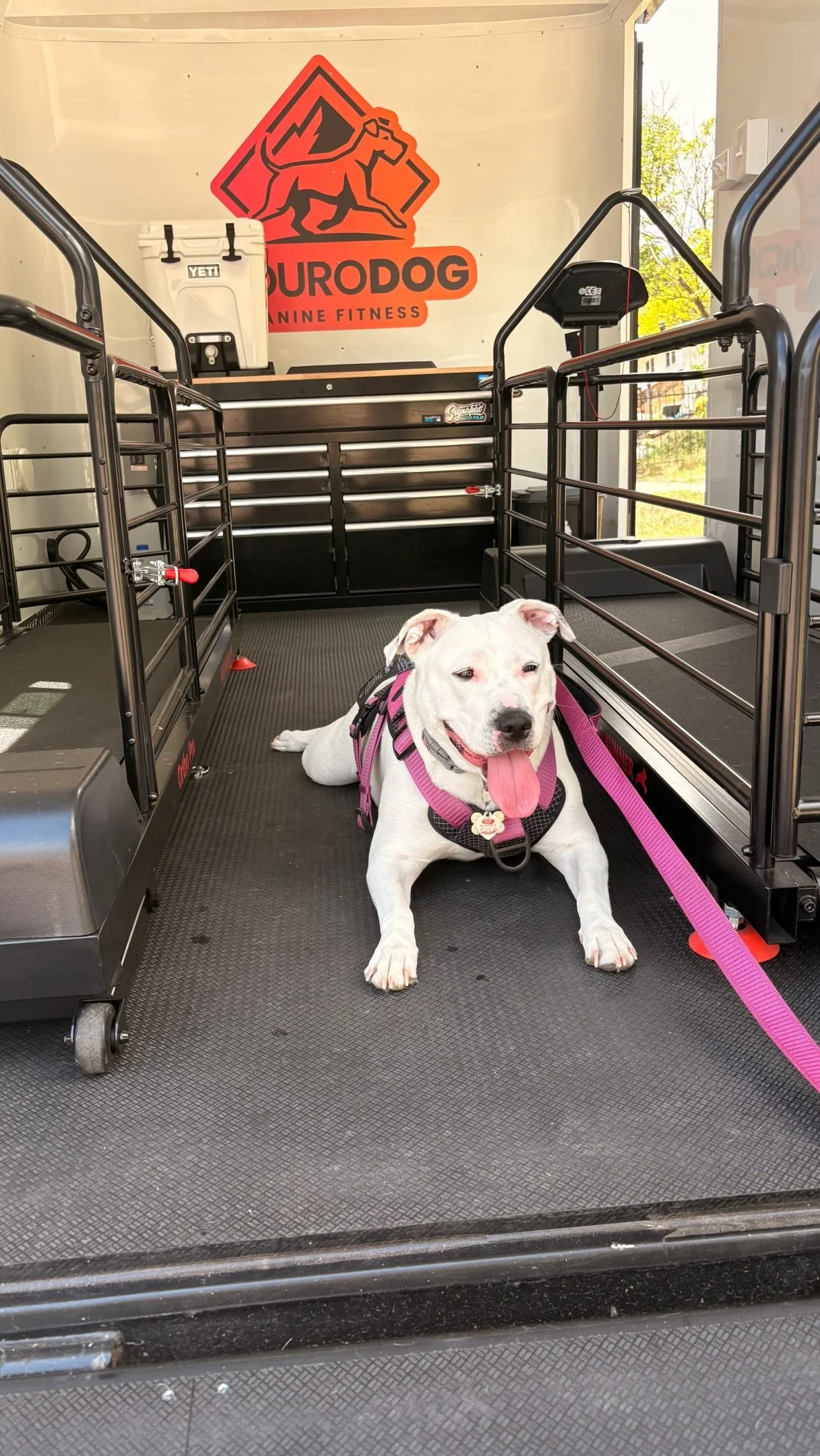
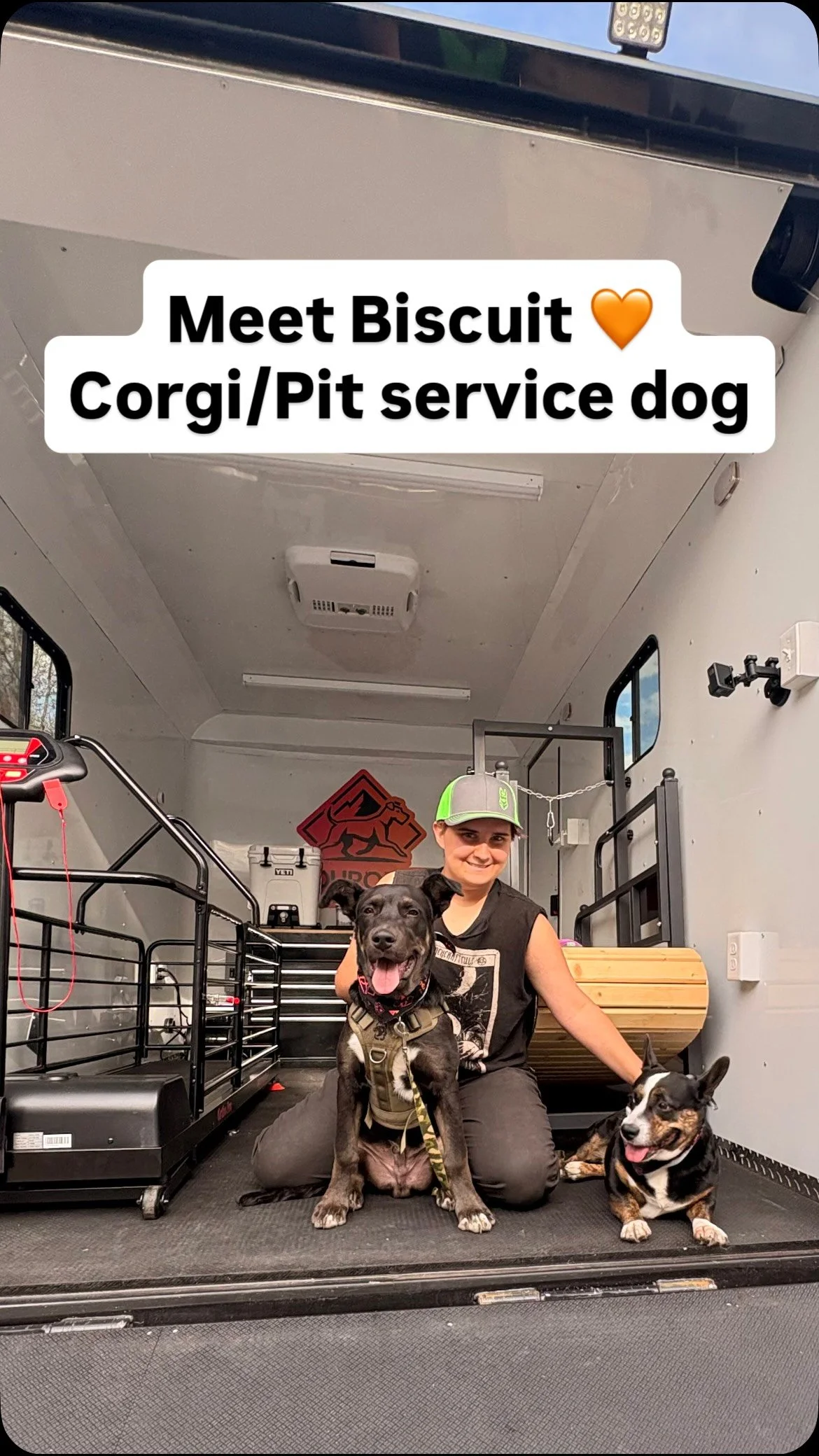
Every session runs on professional-grade equipment brought directly to your home: an orthopedic treadmill for low-impact cardio conditioning, and a dog-powered slatmill for dynamic, self-driven output. Each session is guided, tailored to your dog's needs, and built to leave them physically worked, mentally enriched, and settled.
Beyond one-on-one training, we're building a local canine fitness community through pack hikes, canine sport meetups, and volunteer work, all rooted in movement, structure, and shared experience.
Mobile Dog Gym · Colorado Springs
10 Reasons to Try a Mobile Dog Gym
On-demand canine fitness, brought to your driveway
Mobile Dog Gym
Weatherproof, year-round
Climate-controlled trailer eliminates hot pavement burns in summer and icy sidewalks in winter. Safe, comfortable workouts 365 days a year.⁶
We come to you
No driving, no waiting rooms, no stress. We park at your home or dog-friendly workplace and bring everything your dog needs for a great session.
PACFA licensed
Licensed by the Colorado Department of Agriculture under PACFA — meeting state-mandated standards for animal safety, sanitation, and proper handling.⁷
Electric Treadmill · What makes it unique
Interval training
Speed and incline adjust mid-session to alternate intensity — the same method used to condition elite working and endurance dogs.²
Targeted muscle work
Incline settings engage the glutes, hamstrings, and quads — building the rear-end strength that drives better movement and balance.³
Weight management
Adjustable speed and incline deliver focused, sustained effort — helping your dog burn calories and maintain a healthy body condition over time.⁴
Non-Motorized Slatmill · What makes it unique
Dog-controlled pace
The belt only moves when your dog moves. They set the speed and stop anytime — a low-pressure, confidence-building experience for any dog.⁵
Natural running stride
Dog-powered movement mirrors a natural outdoor run — promoting full-body engagement and a more organic gait than a motorized belt allows.⁵
High-output endurance
No distractions, no interruptions. Sporting and working breeds push to their own ceiling — burning serious energy entirely on their own terms.⁵
1 Erjavec et al., Frontiers in Veterinary Science (2022); Dr. Michael Davis, Oklahoma State Univ. Center for Veterinary Health Sciences
2 Lee et al., Effects of Interval Exercise Training on Bone Mineral Density in Dogs, PMC (2021); 3 Lauer et al., American Journal of Veterinary Research, Vol. 70 No. 5 (2009)
4 Cornell Univ. College of Veterinary Medicine, Treadmill Training for Dogs; 5 Erica Boling, PhD, Working Dog Magazine, The Canine Athlete (2022)
6 Cornell Univ. College of Veterinary Medicine, Summer Heat Safety Tips for Dogs; DVM360, Hyperthermia and Burnt Paw Pads (2024)
7 Colorado Dept. of Agriculture, Pet Animal Care and Facilities Act (PACFA); Colorado General Assembly PACFA Issue Brief
OUR MOBILE DOG GYM
-
Spring snowstorms. Summer heat waves. The kind of wind that cancels weekend plans. Colorado weather makes consistent exercise hard, especially for high-drive dogs that need real exercise regardless of the forecast.
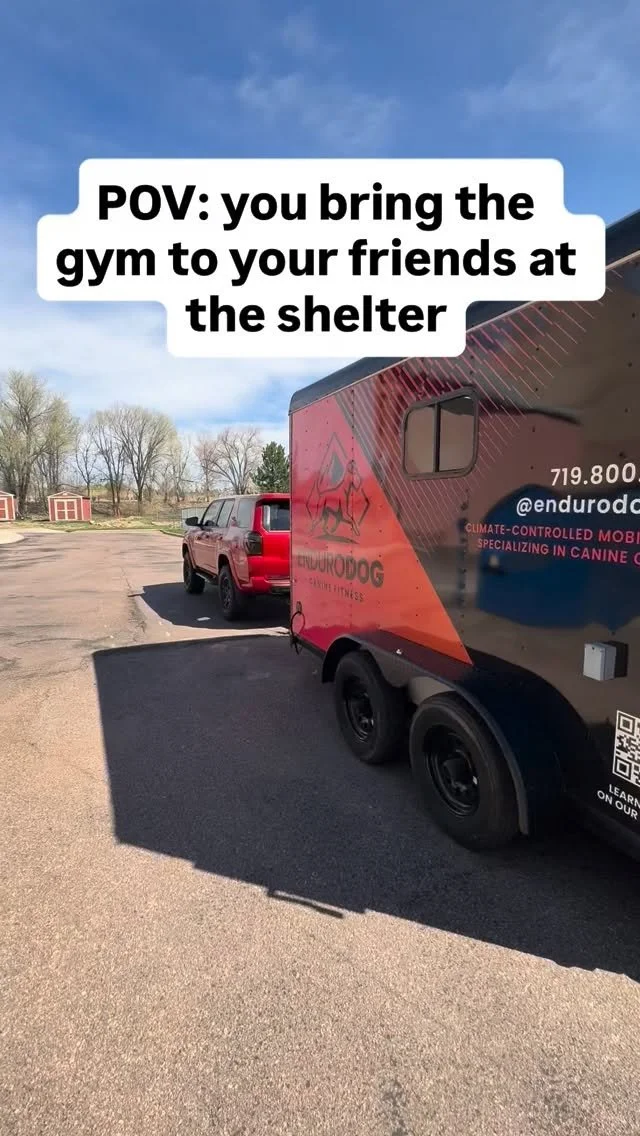
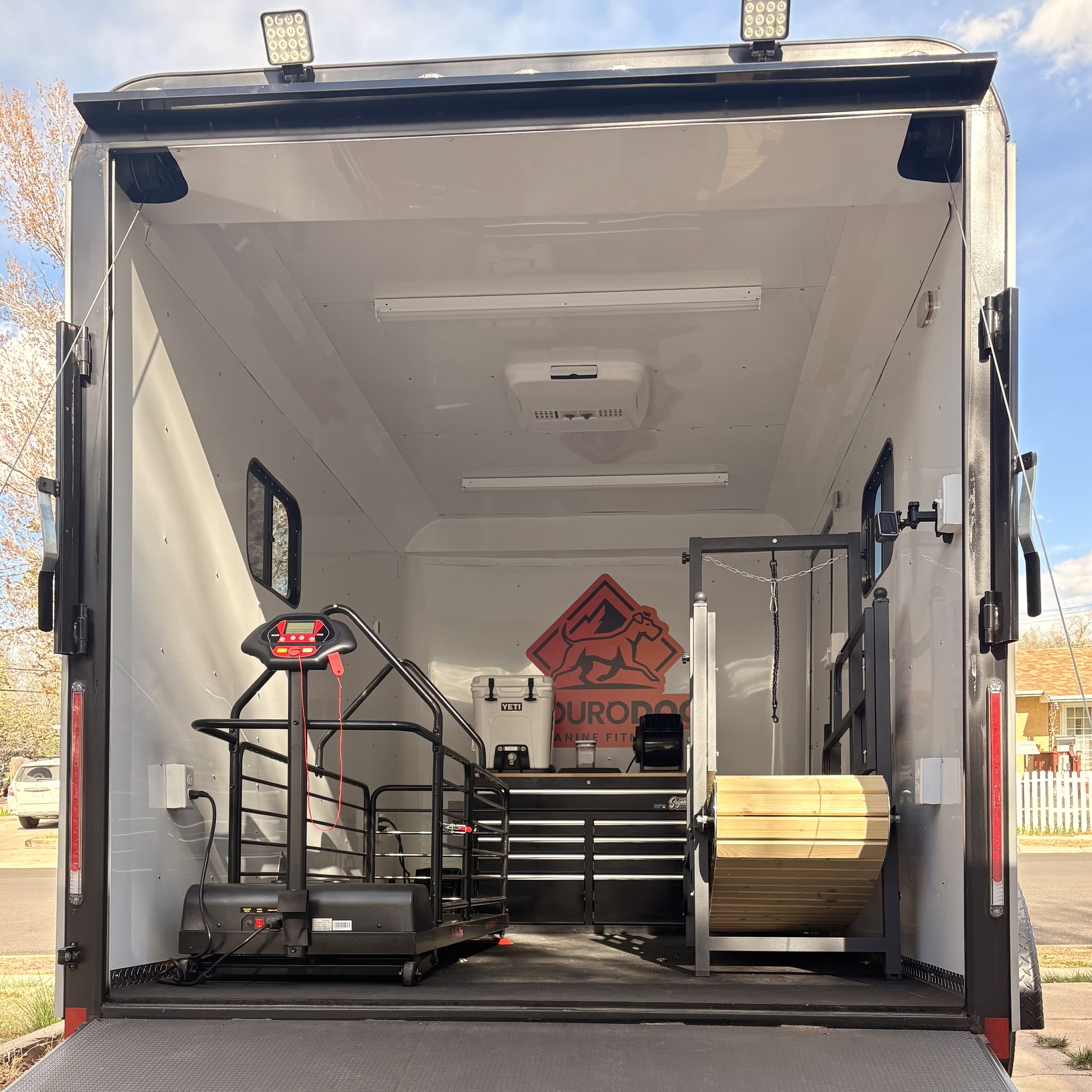
Our climate-controlled mobile gym solves that. We bring professional-grade conditioning equipment to your home or dog-friendly workplace, in a temperature-regulated environment your dog can run in safely year-round.
No travel stress. No skipped sessions. Just structured conditioning, every Colorado season.
-
Our mobile gym carries two professional-grade pieces of canine fitness equipment, each built for a different kind of work.
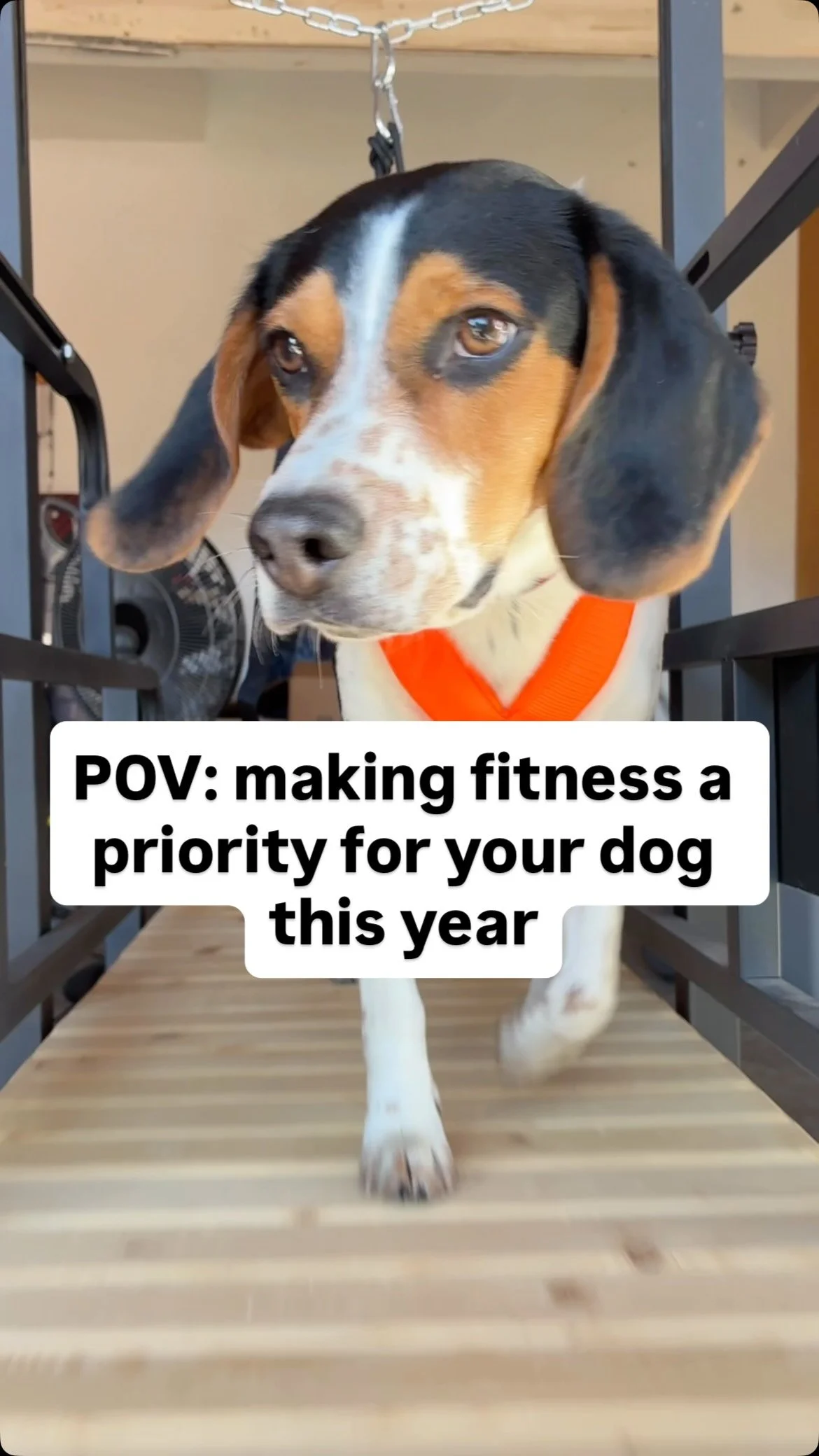
🐾 Ortho Pro Dog Runner electric treadmill. Engineered with advanced shock absorption to protect joints and deliver a safe, comfortable running surface for dogs of every age and fitness level. Best suited for low-impact conditioning, rehabilitation support, and steady endurance work. Learn more about the Ortho Pro Dog Runner →
🐾 Dog Trotter Pro slatmill (coming soon). A non-motorized, dog-powered slatmill that responds to your dog's own pace, allowing for natural acceleration, sprinting, and focused energy release. Built for athletic, high-drive, and working breeds ready for more demanding output. Learn more about the Dog Trotter Van Pro →
-
Every dog is different, and so is every session. Whether your dog is a weekend hiking partner, a backyard sprinter, or a working athlete in serious training, we tailor each workout to their age, fitness level, and goals. With both the Ortho Pro Dog Runner treadmill and the Dog Trotter Van Pro slatmill on board, we can dial sessions anywhere from gentle low-impact conditioning to full-intensity sprint work.
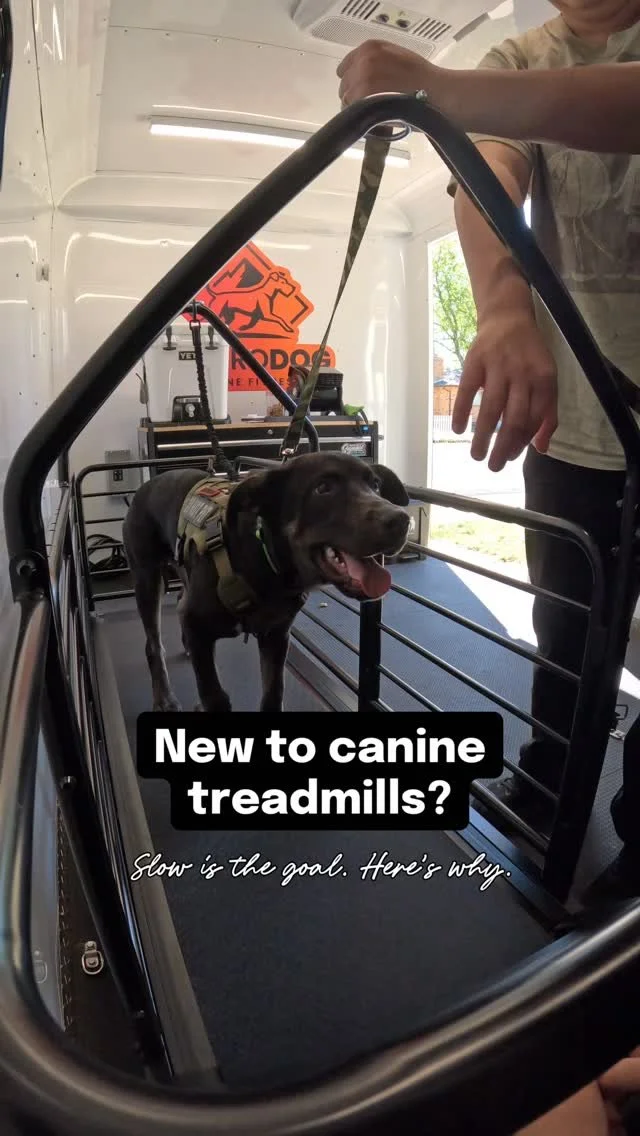
Every program starts with observation. Before any structured work begins, we watch how your dog moves, read their comfort level, and get a feel for their personality, so the approach fits them from day one. For dogs with previous injuries or health concerns, we may request veterinary clearance before starting.
As your dog progresses, we adjust the program to keep every session effective, engaging, and built around the work that's actually paying off. The goal is a dog that feels strong, capable, and confident in their own body, whether they're keeping up on the trail, settling in after a long day, or stepping onto the field ready to perform.
-
Your dog's well-being is the foundation of everything we do. Every handler on our team is trained in safe canine handling and experienced in guiding dogs with patience and confidence. From treadmill positioning to reading body language in real time, every session is built around keeping dogs safe, comfortable, and motivated to work.
Cleanliness matters too. Our mobile gym is sanitized between every session with veterinary-grade disinfectants, so your dog steps into a fresh space every time.
For full transparency, every session is video recorded. You can see how your dog is doing, review their progress, and trust they're in good hands.
Our commitment doesn't end at training. We invest in ongoing education in canine fitness and conditioning, so the care we deliver keeps pace with the field. As a PACFA-licensed business, we hold ourselves to Colorado's standards for animal safety and professional responsibility in everything we do.
CANINE FITNESS COMMUNITY
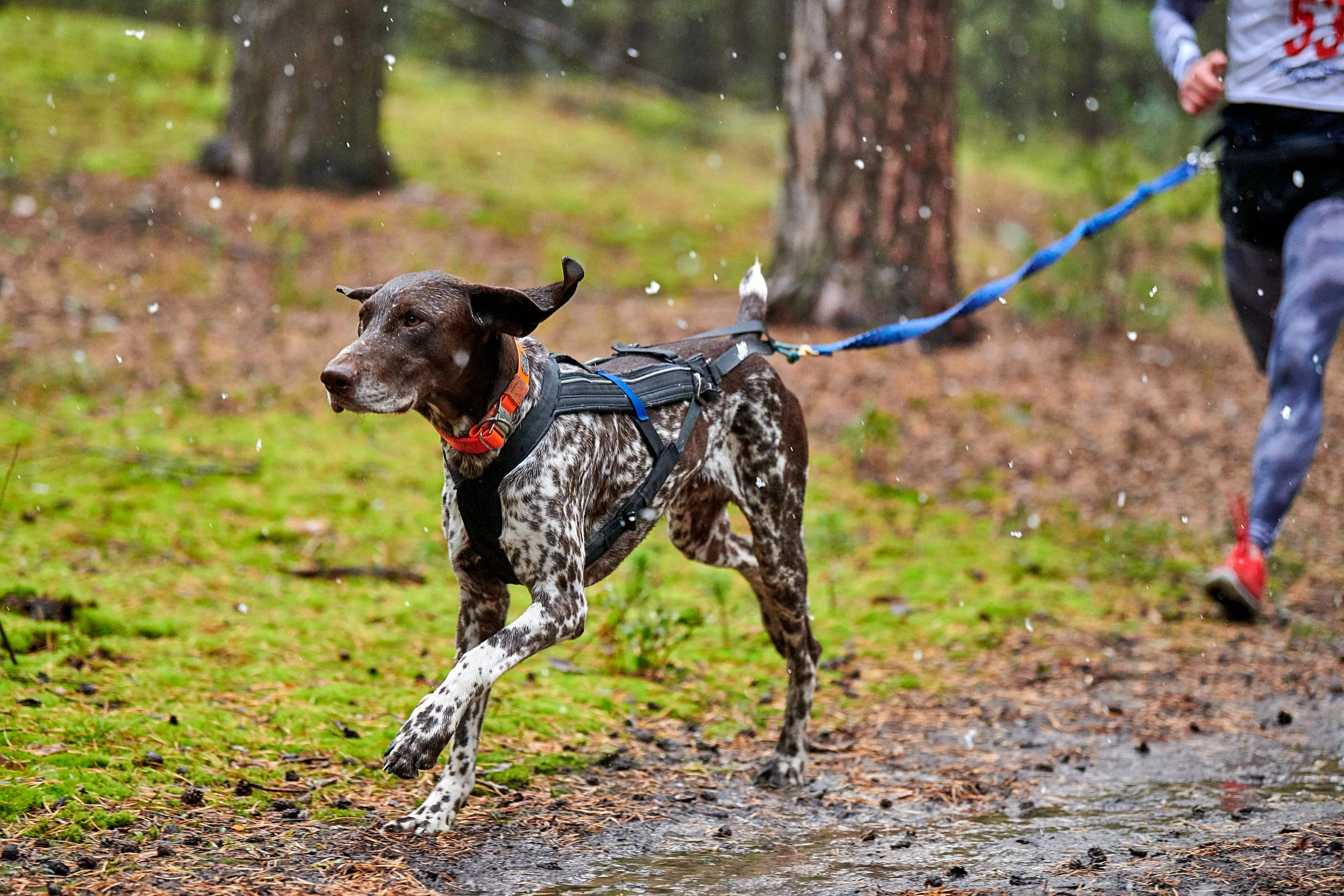
EnduroDog is more than a pet service. We’re growing a canine fitness community in Colorado Springs to bring dogs and their humans together through movement, adventure, and connection.
Group Adventure Hikes
Monthly guided hikes focused on exploration, socialization, and real-world conditioning. Each hike is led by a featured local dog trainer (meet a different expert every month). Hiking locations vary based on weather and trail conditions. Follow us on Instagram for updates.
Canicross Meetups
We are excited to support the local canicross community by connecting clients with meetups organized by an experienced canicrosser. Join Colorado Springs Canicrossers Facebook to learn more!
Supporting Local Shelter Dogs
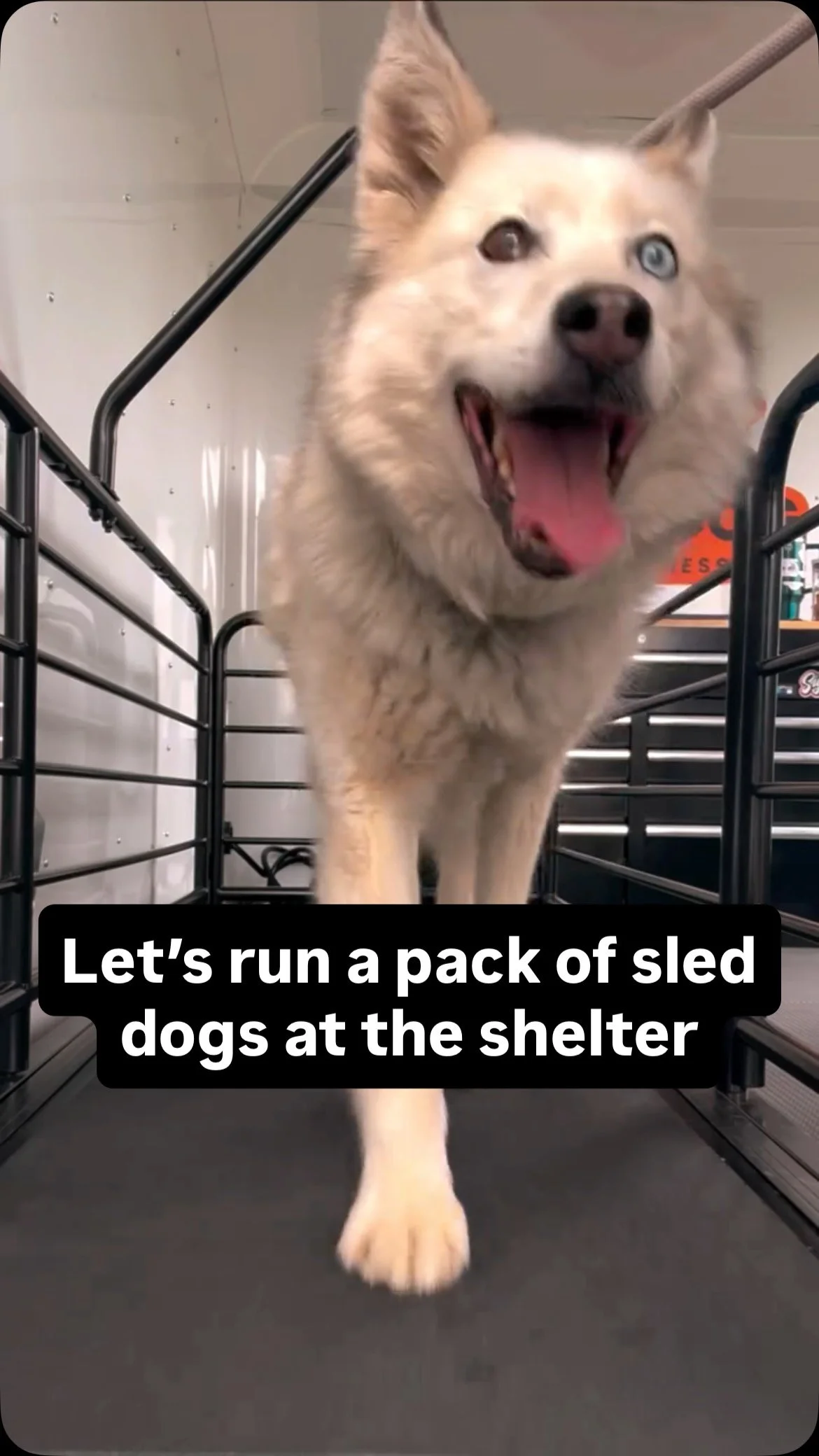
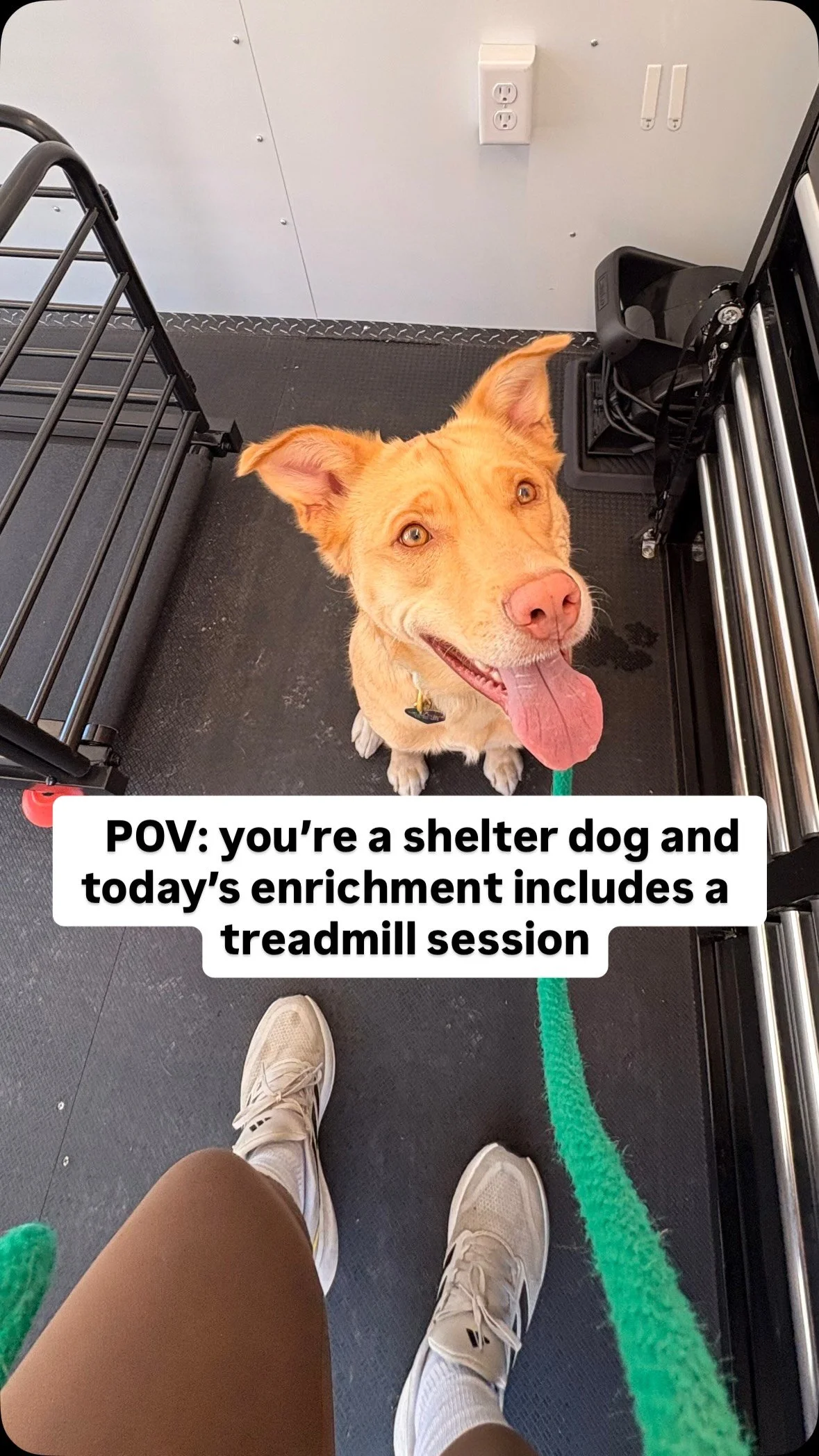
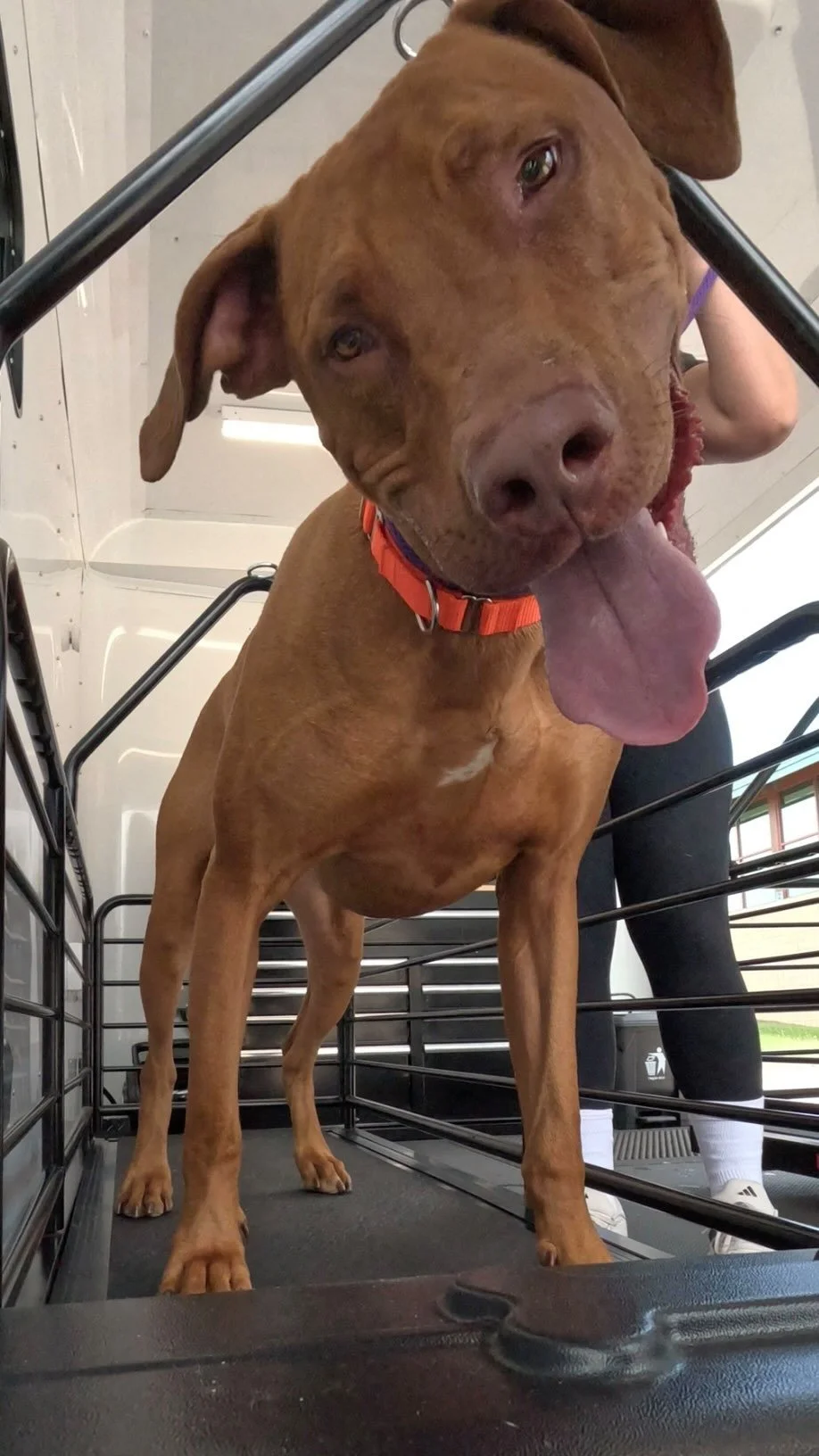
Every month, our team volunteers at the Humane Society of the Pikes Peak Region, running shelter dogs in our mobile gym, taking them on outdoor walks, and giving them real one-on-one playtime before they head back to their kennels well-exercised and content. It's some of the most meaningful work we do.
We’re always looking to grow the community. If you’re involved in a canine sport or interested in volunteering or partnering on events, reach out! We’d love to connect.
LATEST UPDATES